

Shed Weather Ratings: Wind, Snow Load and Roof Choice
The short answer
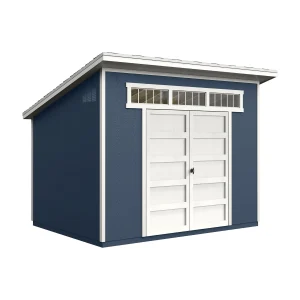
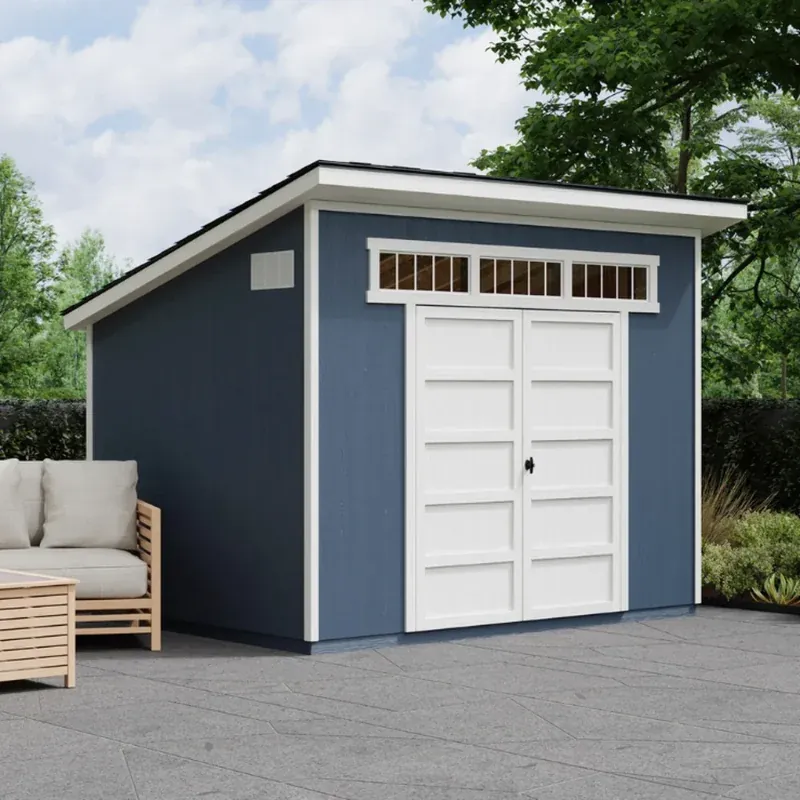
A shed rating states the wind speed and snow load its maker designed it for, and assumes the shed is built and fixed down as instructed. Shed snow figures are often per square foot, the unit local codes use. Of our sheds, only the Olympia publishes ratings: wind to 90 mph, and 30 pounds of snow on each square foot.
A shed spends its whole life outdoors, through every storm the year brings. Some makers publish what their shed is designed to withstand; many do not. When a figure is given, it is worth knowing exactly what it means, because shed snow ratings are often stated per square foot while gazebo ratings may be a total weight. This guide explains shed wind and snow load ratings, how roof shape and material play into them, and what to do when no rating is published.
What the sheds in our range publish
| Shed | Roof | Wind | Snow |
|---|---|---|---|
| Handy Home Olympia 10×7.5 | Not described on the product page | 90 mph | 30 lb per sq ft |
| Outdoor Living Today Sunshed 12×12 | Twin-wall Polygal light panels on one slope | Not published | Not published |
| Cedarshed Bayside 6×3 | Lean-to, pre-shingled cedar panels | Not published | Not published |
Only the Handy Home Olympia lists figures: 90 mph for wind, and 30 lb per square foot for snow. For the other two we give no figure, because their pages give none.
Per square foot or total pounds
Snow ratings come in two forms, and they are not interchangeable.
- Per square foot, like the Olympia’s 30 lb per sq ft, says how much weight each square foot of roof is designed to carry. This is the same unit many building codes use for ground snow loads, which makes it easy to compare with the figure your local office uses.
- Total weight, like the 5,800 lb Backyard Discovery gives for its Arcadia 12×9.5 gazebo roof, is the load on the whole roof. To compare it with a per-square-foot figure you would divide by the roof area, and the maker’s own wording is the safer guide than any conversion.
A depth of snow, which some makers give instead, depends on how wet and dense the snow is, so the same depth can weigh very different amounts. Our article on gazebo wind and snow ratings covers all three forms with examples.
Roof shape and snow
How a roof is shaped decides how snow behaves on it:
- Steeper pitches tend to shed snow more readily than shallow ones.
- Lean-to roofs, like the Bayside’s single slope, send everything to one edge. Snow sliding off lands in one place, so keep that side clear of paths and doors.
- Snow drifts against walls and fences, so a lean-to tucked against a taller building can collect more snow than open ground suggests.
Roof material
The Sunshed’s daylight panels are twin-wall Polygal on one roof slope, a different material from the timber and shingles on the rest. The Bayside’s roof panels arrive pre-shingled in cedar. Neither maker publishes a load figure, so treat both conservatively in snow: brush off heavy accumulations from the ground with a soft roof rake rather than letting them build, and never stand on a light-panel roof.
Wind and how the shed is held down
Wind tries to slide a shed, tip it, and lift its roof. A rating assumes the shed is built and secured as the instructions describe. In practice:
- Build on a level, solid base, as our guide to shed foundations describes.
- Fix the floor frame to the base if the instructions call for it, especially on exposed sites.
- Keep doors closed and latched in high wind; an open door turns the shed into a sail.
- Check roof fixings and panels after storms.
When no rating is published
No published figure means no stated design limit, not a weak shed. It does mean the planning falls on you:
- Look up the design snow load and wind speed your local office uses, and judge how exposed your site is.
- Choose a sheltered position where you can, away from wind funnels between buildings.
- Clear snow early and keep gutters and roof edges clear of ice.
- If you need a published figure for a permit or for peace of mind, pick a model with a stated rating, or check with us on the maker’s figures before you order.
Weight is part of the picture
A heavier shed is harder for wind to move, but weight alone does not replace secure fixing. The Olympia weighs 1,539 lb built, before anything is stored in it; lighter kits rely even more on how they are fixed down.
The storage shed buying guide covers the rest of the choice, and you can compare the sheds we carry.
Shed ratings: frequently asked questions
Can I compare 30 lb per sq ft with a gazebo’s total weight?
Only by dividing the total by the roof area, and the maker’s own wording is a safer guide than any conversion.
What should I do if my shed has no published rating?
Treat it as having no stated limit: look up your local design loads, choose a sheltered spot, clear snow early and keep the doors latched in high wind.
Can I climb onto a light-panel roof to clear snow?
No. Never stand on it; rake heavy snow off from the ground with a soft roof rake instead.
Does a lean-to roof change where snow lands?
Yes. Everything slides to its one low edge, so keep paths and doors clear of that side, and expect drifts where it tucks against a taller wall.